


-1.webp)
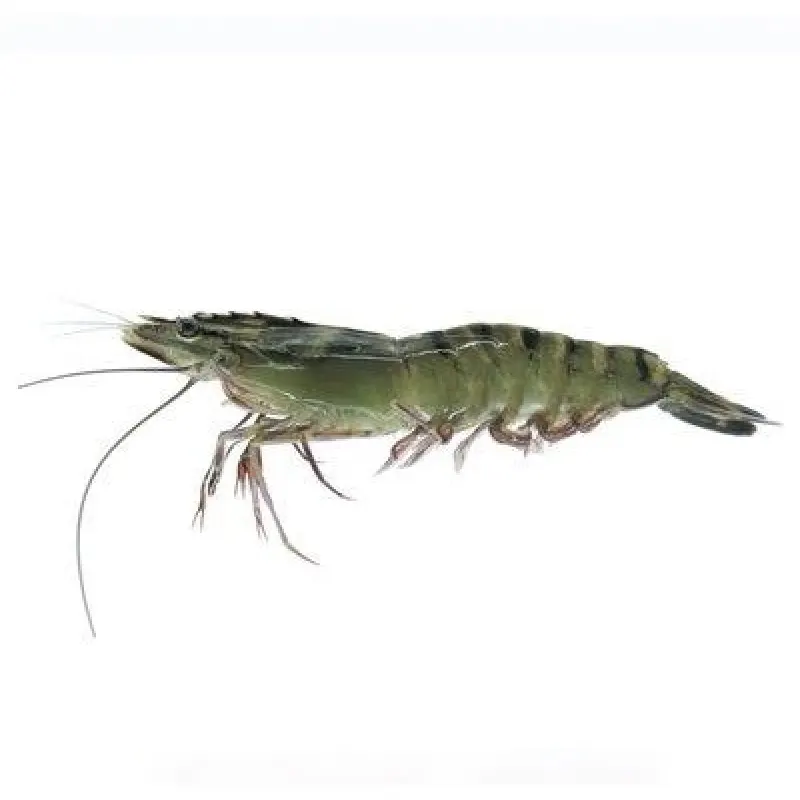
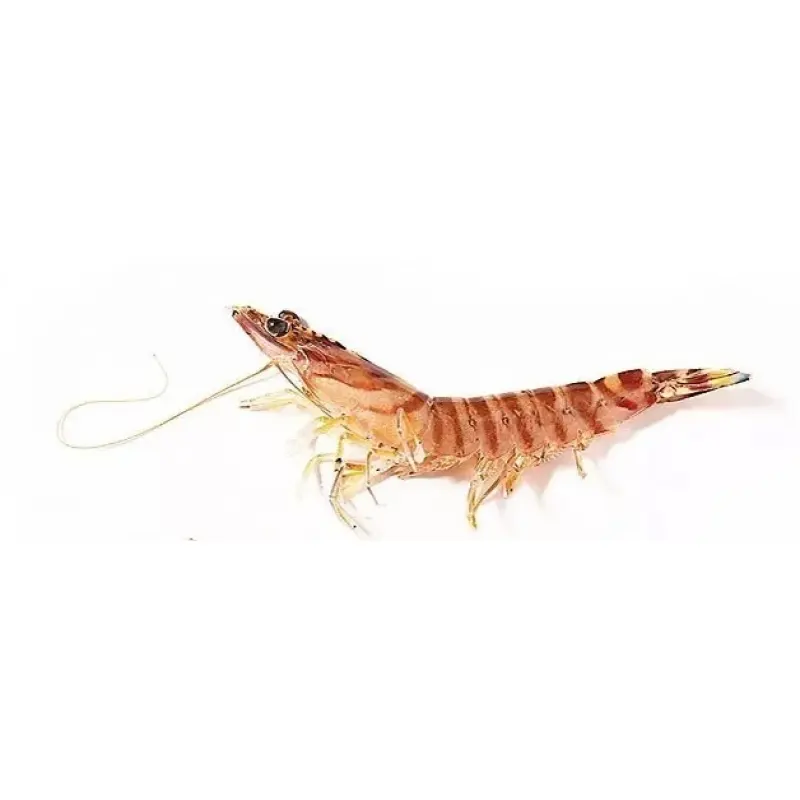
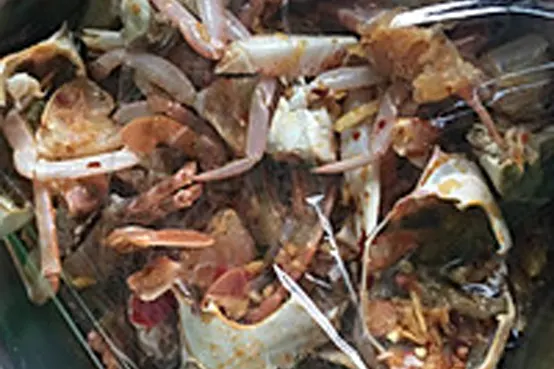
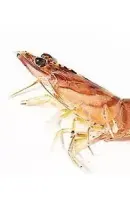
People along the coast like raw pickled crabs and shrimp. Pickled crabs are a favorite of the family, but you can't eat more if you have a bad stomach. You can't eat more raw pickled foods for the first time to avoid gastrointestinal discomfort.
Ingredients for pickled flower crabs
| 6 live flower crabs | Ginger one piece |
| Whole garlic head | A small amount of sugar |
| 2 spoons of light soy sauce | 2 spoons of fish sauce |
| 2 spoons of rice wine | 1 tablespoon of white vinegar |
| 3 Chaotian peppers | A small amount of chicken essence |
| 1 tablespoon of chili sauce |
How to pickle flower crabs
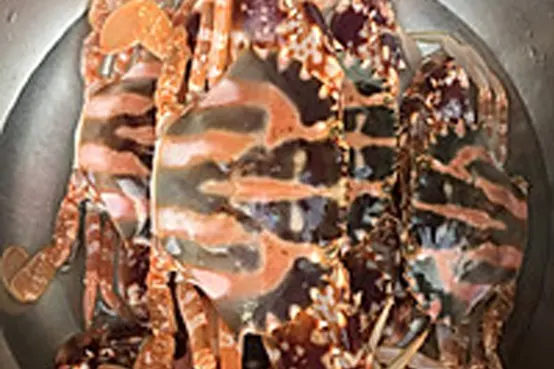
Step 1
Wash the flower crab clean
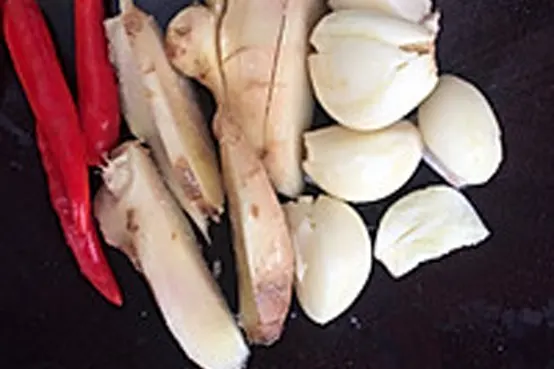
Step 2
Cut the ginger and garlic into pieces
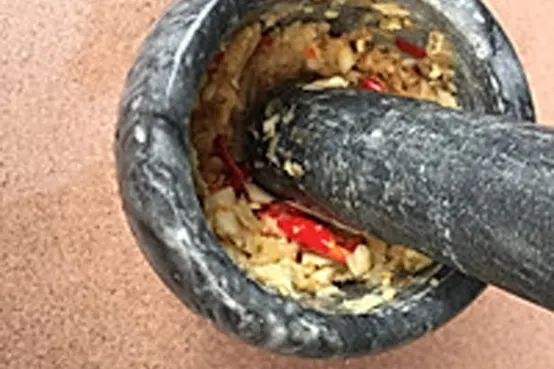
Step 3
Mash the chili, ginger, and garlic together in a stone mortar

Step 4
In a small bowl, add chicken essence, sugar, light soy sauce, rice wine, and fish sauce and stir well.
Step 5
Pour the stirred juice into a large bowl and stir well with the mashed ginger, garlic and chili. The juice of the pickled crab will be adjusted.
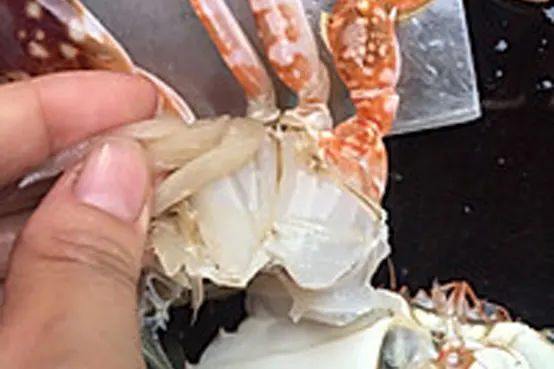
Step 6
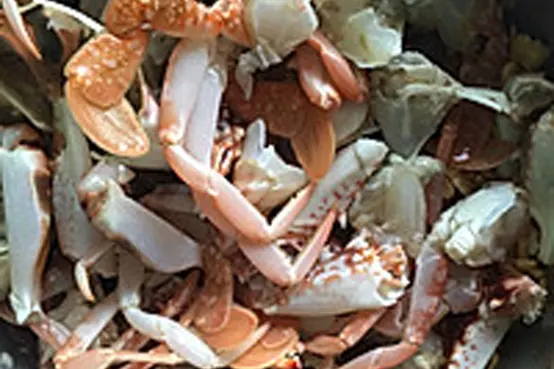
Cut the crab in half to remove the crab gills and crab intestines
Step 7
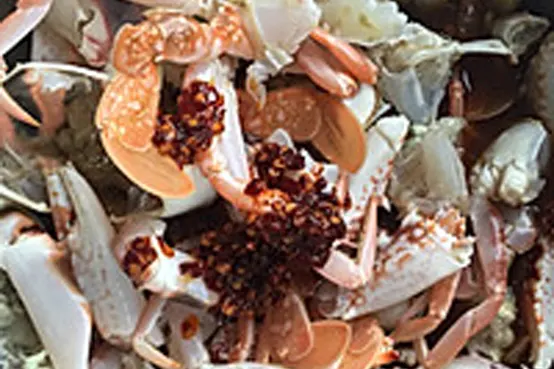
Then cut into small pieces
Step 8
Pour the adjusted sauce onto the crabs, stir with chopsticks, so that each piece of crab meat is stained with the sauce
Step 9
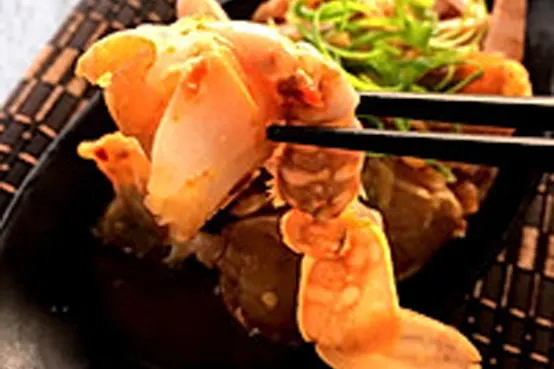
Cover with cling film and refrigerate in the refrigerator for 5-6 hours before serving.
Step 10
The meat is tender and juicy
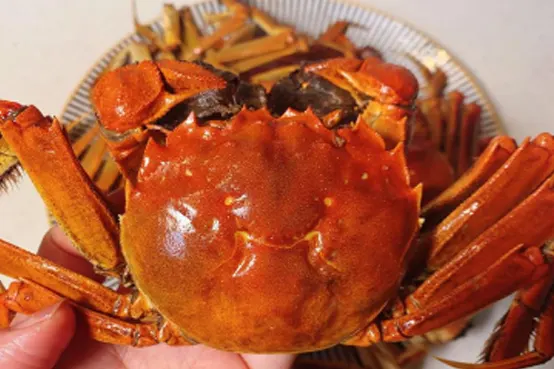
Crabs, people with cold stomachs were first included in the “blacklist”. In fact, as long as they are cooked and eaten properly, people with cold stomachs can also eat crabs. In the Chinese tradition, you can't eat crabs without ginger. Not only in terms of taste, crab and ginger are a good match, but ginger is hot and spicy, which can dispel cold and warm the stomach. The ginger juice in ginger also has bactericidal, fishy and detoxifying effects. Moreover, rice wine is the best “partner” for crabs. The ancients had the reputation of “drinking rice wine and eating drunk crabs”. My frying method was taught by a relative of a chef to my mother-in-law. (He often serves as a judge in chef exams) I learned it by accident. It's actually very simple. Share it with everyone.
Materials
ginger
salt
Hairy crab
Sesame oil
Huadiao Wine (cooking Wine)
150Ml
Step 1
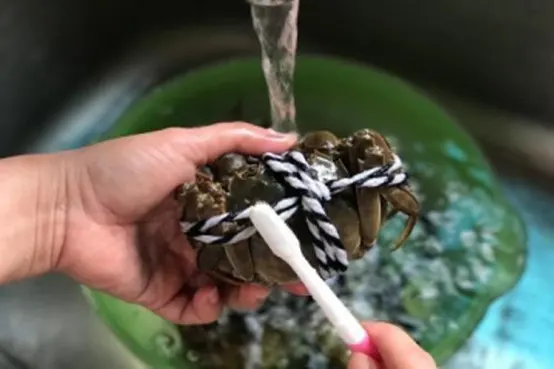
Wash the crabs, don't take down the ropes in a hurry, just use flowing water one by one, wash it clean, and then take off the thread and set aside!
Step 2
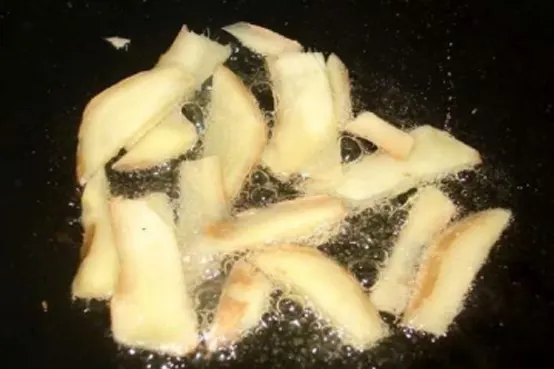
Heat the pan, add half of the vegetable oil and half of the sesame oil, add the sliced ginger and burst, and then pour the washed hairy crab (the scene is a bit spectacular, you need to cover the pot immediately so as not to climb out)
Step 3
The key step is here~you won't run around in less than 1 minute after pouring,️️Pour a bowl of Huadiao wine (cooking wine, rice wine is fine),️️ Grab a poke of salt and sprinkle evenly on the surface of the crab, cover the pot with a lid
Step 4
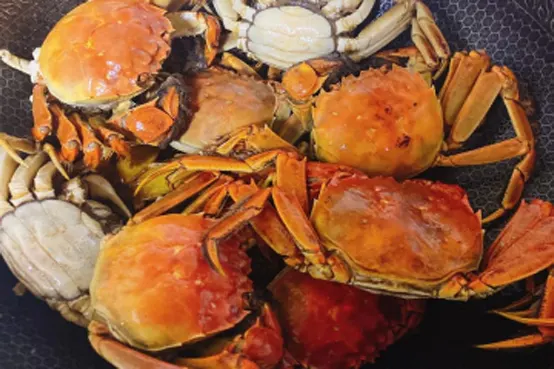
After the wine is cooked to dry quickly, there will be a layer of oil left at the bottom of the pot. You can add a little sesame oil, turn the noodles over medium and low heat and fry for a while (you can sprinkle a little more salt during the turning process)
Step 5
Salty and delicious! You can dip it in balsamic vinegar when you eat it.
Hairy crabs are not cold to do this! Super fragrant! Super delicious! Pan-fried crab! Tips for
1 You can't eat crabs with less ginger. It can dispel cold and warm the stomach and sterilize the body. It's okay to eat more! 2 The added wine can be Huadiao wine, rice wine, cooking wine, and all rice wine! 3 Sesame oil is a hot food, just enough to absorb the cold of crabs, and it is fragrant! 4 Sprinkle a little salt mainly when eating, it is a bit salty and fragrant, which can highlight the freshness of the crabs (Hairy crabs are river crabs, not as fresh as sea crabs, this step is also very important, but you must not add salt when cooking sea crabs)️️Another reminder:不Not the same as strong tea and persimmonFood, strong tea, persimmons, prickly pears, hawthorn and other foods are prone to abdominal pain, vomiting and other symptoms️️The most ideal condiments for eating crabs are vinegar, ginger, and scallions.
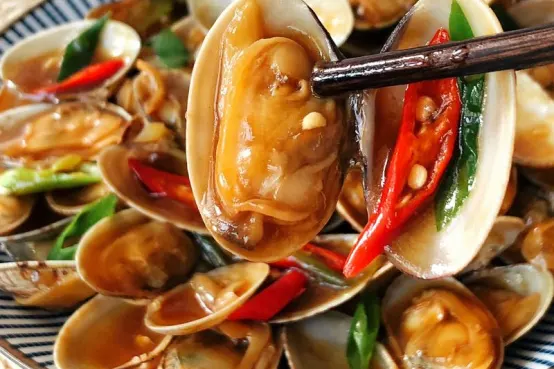
If anyone loves Huajia with me, then you must try to eat it like this. The sauce is rich, the umami is spicy, and it is so delicious. The two children in my family are always rushing to eat it. The practice is super simple and easy to learn. Come and learn it.
Materials
Flower armor
Green and red peppers
Green onion
A little
5 minutes of quick hand dishes️️Spike the roadside stalls and stir-fry huajia ~How to do it so delicious
Step 1
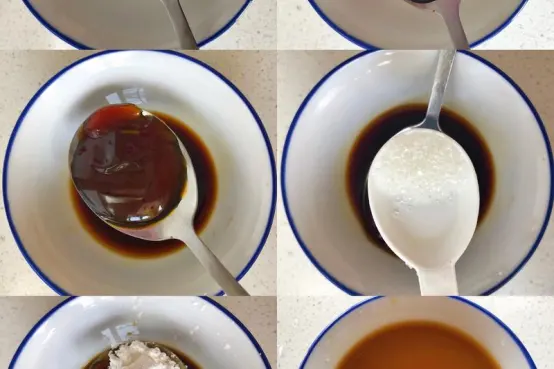
Let's make a sauce first: 1 spoonful of cooking wine, 2 spoonfuls of light soy sauce, 1 spoonful of oyster sauce, 1 small spoonful of sugar, 1 spoonful of starch, 5 spoonfuls of water, stir well and set aside.
Step 2
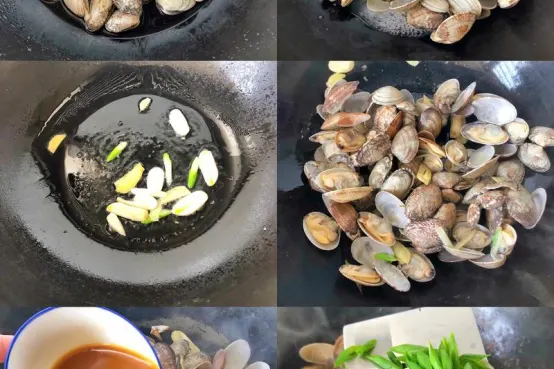
✅Put 1 spoonful of salted water in Huajia and soak it for a while to spit sand, then wash it, add a small amount of water to the pot, bring it to a boil and cook for 2 minutes to remove the dryness and control the moisture ✅Saute the ginger and garlic with a little oil in the pot, pour in the huajia and stir-fry for a while, add the adjusted sauce and stir-fry to color,Pour in green onions, green peppers, millet, spicy, and stir-fry.
Step 3
The super delicious and simple stir-fried huajia is ready.
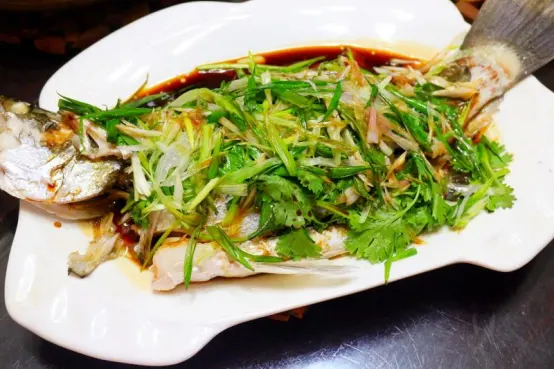
The most important thing for steamed fish is the heat, the meat is tender and smooth, and there is no fishy smell. Of course, seasoning is also very important. Because my pictures were incomplete, I used photos of different fish taken several times to make tutorials. Forgive me. In fact, the steps are not complicated, just pay attention to the details!
Materials
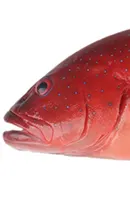
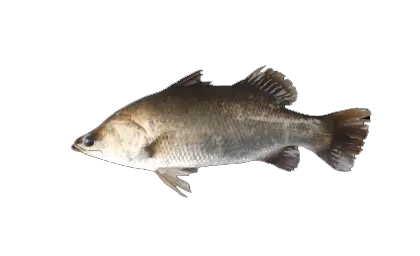
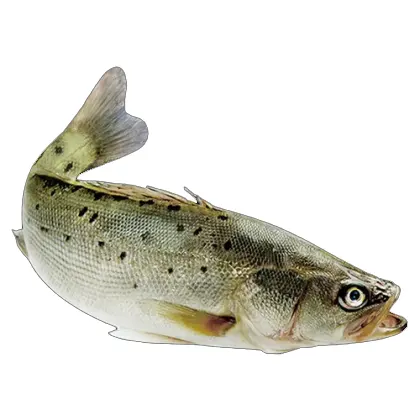
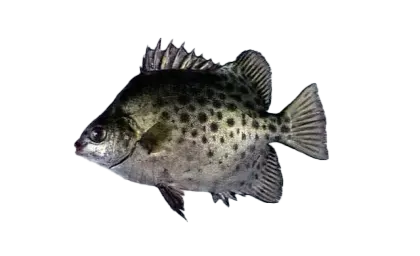
Fish (perch, multi-treasure fish, osmanthus fish, grouper...all available)
Shredded green onion
Coriander
Shredded ginger & sliced ginger
Corn starch
Steamed fish soy sauce
Hot cooked oil
Appropriate amount
The steps for steamed fish (perch/multi-treasure fish/osmanthus fish/grouper...)
Step 1
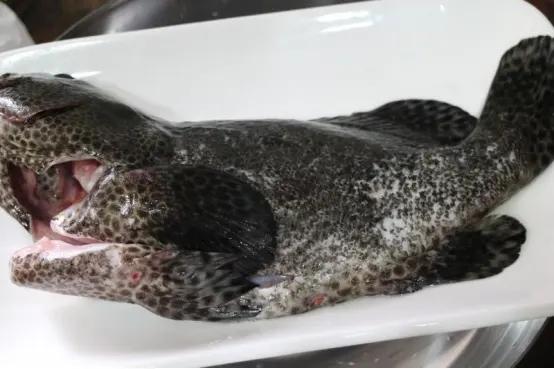
(The picture shows the tiger spot) A fish. When you buy it back, remember to ask the owner of the stall to help you kill the fish. The gills, intestines, guts and other internal organs are cleaned up. After you come back, you still have to check again and clean it a few times to make sure there is no dirt. (What I demonstrated is the steps. The photos of the fish were not taken in full, so everyone doesn't mind. )
Step 2
Then, take kitchen paper or a clean kitchen rag to dry the fish. You can draw 2-3 knives on the fish. This effect, I personally think, is to make the fish more easily cooked. (Of course, if you want to make a few more strokes, no one will interfere with you, but in fact it is of no use)
Step 3
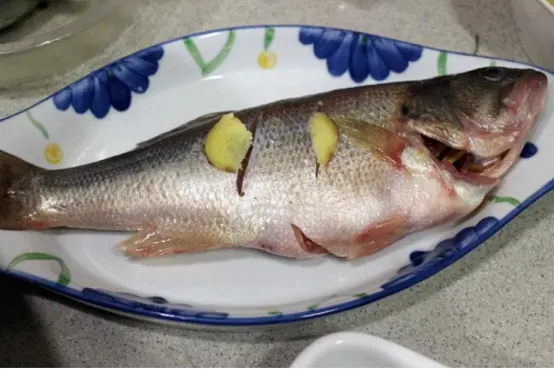
(The picture shows the perch) Then stuff the chopped shredded ginger into the belly and head of the fish, just the right amount. Put 2 green onions and 2 slices of ginger on the bottom. On the fish noodles, you can also put 2 scallions and 2 slices of ginger. *Here comes the point. The point is really here: before you go to the pot, put a thin layer of corn starch on the fish. Please pay attention to the beauties. Don't put so much and so thick as you put on your face. Just a little bit shallow. Why? ! Because the skin of the fish steamed in this way is smooth and tender, it is said to be the secret of a five-star chef. I have tried it well. It can also keep the internal meat tender and smooth. It's really useful!
Step 4
The next step is to wait for the water to boil in the pot and release the fish. You have to boil the water before you can let it go. 。 。 Next, pick up your iphone, HTC, HUAWEI, Samsung, Xiaomi... find the timer function and set a 7-minute countdown. Calculate from the moment the fish enters the pot, do not open the pot on the way. (My dad emphasized that it's not good to say that the steam leaks, and it feels like it leaks vitality. ) After 7 minutes, turn off the fire. Don't open it right away, wait for 30-60 seconds. At this time, you can twist your waist in the kitchen, take a walk, organize this and wash that. Time will pass quickly. * Say more, if you are worried that it is not easy to control, you can directly set it for 8 minutes, and it is OK to turn it on after turning off the fire. I believe there is a difference in this 1-minute gap, because my own experience is like this. Haha.
Step 5
OK…. The next step is to be careful, take out the fish with a clip, and wait a little while. Drain all the fish juice steamed out of the dish. correct! Drain all the fish juice! (So fishy, it's really useless to keep it! ) You can clip up the scallions and ginger slices on the noodles and throw them away. Of course, it doesn't matter if you don't throw them away, just do whatever you want.
Step 6
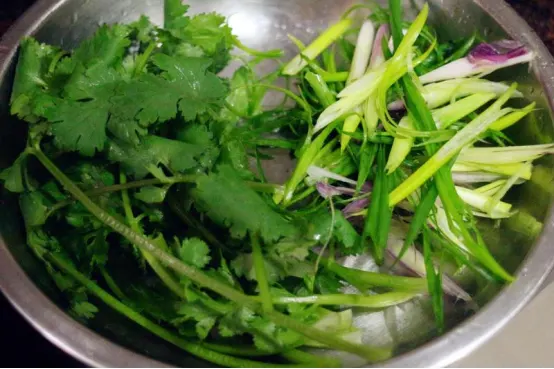
Come on, take a look at my shredded scallions. It's a bit mild, not a very serious obsessive-compulsive disorder. I like shredding. Although it's not at the level of a big hotel, it's stronger than my mother's green onions. My dad just chopped green onions. I still like shredded green onions
Step 7
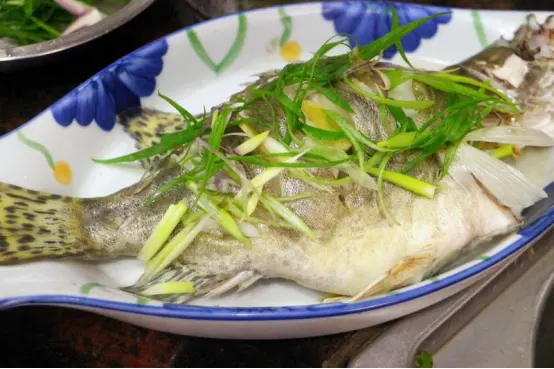
(The picture shows the osmanthus fish) Then, just spread the shredded scallions and coriander (of course, you have to wash it and cut it well) evenly on the surface of the fish. It doesn't matter if you don't like to eat scallions and coriander, as long as you don't clip it.
Step 8
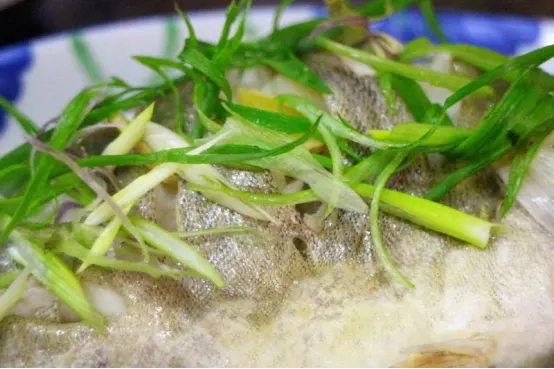
(The picture shows the osmanthus fish) Let's take a close-up. After laying out the shredded scallions and coriander, you can use steamed fish soy sauce. I heard that Li Xji is good, and I also think it's good. As for how much to pour? I think, first of all, it depends on how big the fish are, and secondly, it's not that the more, the better, and health comes first. By the way, students who like spicy food can cut some red pepper rings and spread them on the noodles.
Step 9
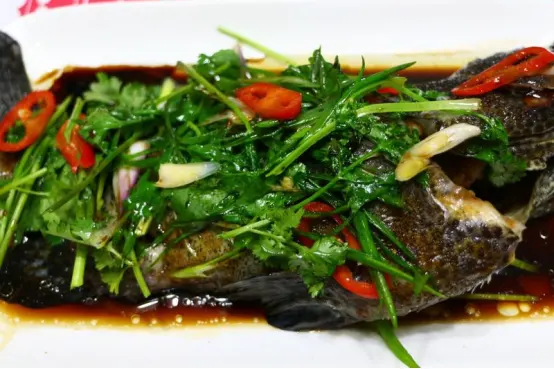
Just like this steamed tiger spot, I put a little red pepper ring on the noodles. It's not over after pouring the steamed fish soy sauce. Finally, please wash the pan, wipe it clean and heat it. Pour in the raw oil and heat it slowly. When the oil is hot, be careful and pour the hot oil evenly over the fish. I heard "Squeak..."”The hot oil, you succeeded! !
Step 10
This is steamed fish without red pepper rings. Mom and Dad like scallions and coriander, so I will put more. Feel free to do whatever you want. Eat the fish while it's hot. I hope this approach will please your husband, wife, parents, father-in-law, mother-in-law, father-in-law, mother-in-law, children and relatives.
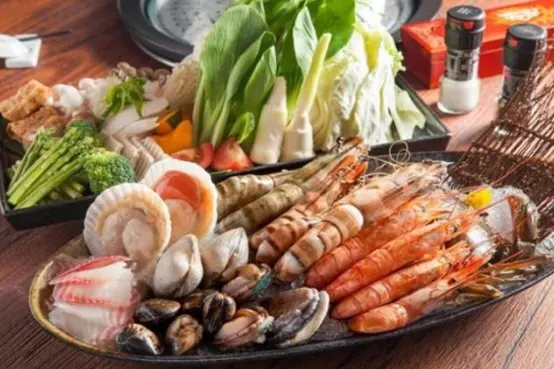
Seafood has always been loved by the majority of Chinese compatriots. Seafood includes fish, shrimp, crabs, and some shell creatures. Because seafood focuses on a fresh word, and because seafood is very rich in types, various production methods, and rich in protein, it also has the effect of lowering blood lipids and reducing the incidence of cardiovascular and cerebrovascular diseases. So although many people eat a lot of seafood, they are not very clear about which parts of seafood cannot be eaten. Let's follow this Xiaobian to see what is the most correct way to eat seafood. Do you think you have been hit by a mine before?
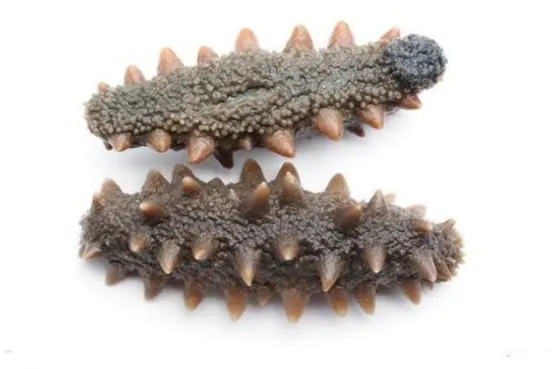
1. Sea cucumber Sea cucumber has always been considered a kind of precious tonic, which improves immunity to the human body, is not easy to get sick, and has a cosmetic effect on women. Eating sea cucumbers is a great supplement. It is difficult for us to buy fresh sea cucumbers. Generally, they go through a special process to absorb the moisture from the sea cucumbers. Then when we add sea cucumbers, we need to soak the dried sea cucumbers. The correct way to deal with sea cucumbers is to clean the dried sea cucumbers, then put them in a clean bowl, soak them in pure water with a low temperature of about zero to five degrees for a full 48 hours. But it's not that the water is always soaked in sea cucumbers, but that it is replaced every 10 hours. After soaking, use scissors to cut the sea cucumber along a line in the middle. Clean some of the internal organs and sand inside. Turn the inside and out of the sea cucumber. There are many muscles and veins inside the sea cucumber, and we need to cut them off. Because these tendons sometimes hinder the soaking of sea cucumbers. We put the sea cucumber and water in a pot, and then boil the water for about 30 minutes. After turning off the fire, wait until the sea cucumber slowly drops to its natural temperature. After removing it, repeat the first step again. Put it in the refrigerator for 48 hours, and change the water every 12 hours. How's it going? It's just a sea cucumber's soaking hair that's already so troublesome. But when I think of the price of sea cucumbers, let's do it obediently.
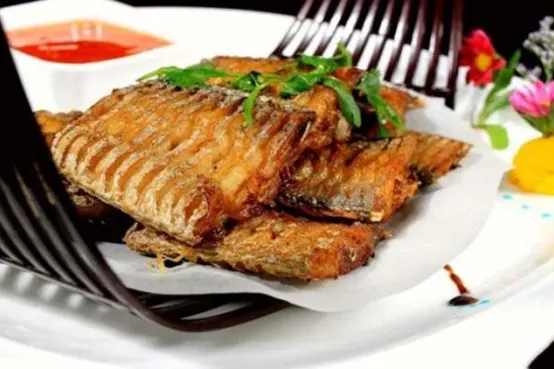
2. With fish, when we eat other types of fish, we will definitely scrape off the scales when dealing with the fish. But octopus is an exception. Because there are no scales on the surface of the octopus, there is only a layer of silver-white stuff. It is actually a kind of fat, which contains substances that are beneficial to good health. At the same time, this layer of material can also act as a protective film when cooking. It protects the fish from being broken, so when we deal with the fish, we must be careful to wash it with cold water and not rub it hard.
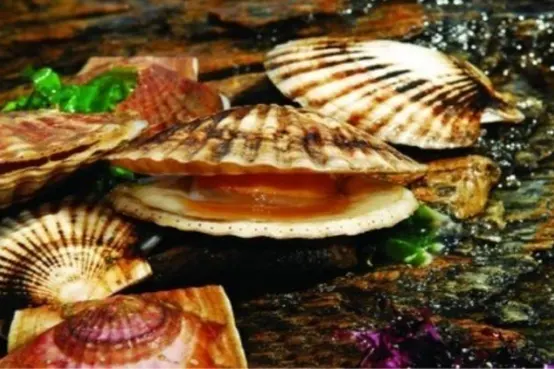
3. Shellfish When we eat shellfish, we must eat fresh ones, because shellfish contains many bacteria and protein breaks down very quickly. Therefore, once shellfish die, it is easy to produce a large number of germs, and some also produce toxins. After eating, it is harmful to human health. Some people who eat this shellfish will have allergic reactions. We need to figure out that it is not an allergy to seafood, but an allergy to spoilage substances produced by the hands that break down the protein inside the seafood.
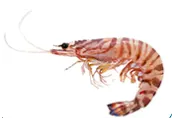
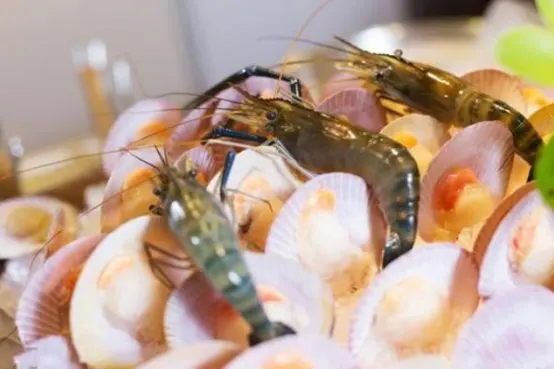
4. Shrimp shrimp are easy to cook, and they are very delicious no matter how they are made. Therefore, it is a type of seafood that people often eat. Some people especially like to eat shrimp heads, which are yellow in them, not to mention how delicious they are. But behind the delicacy, shrimp heads contain a lot of cholesterol and some heavy metals. Similarly, shrimp seeds also contain these things. So eating only shrimp is the best choice.
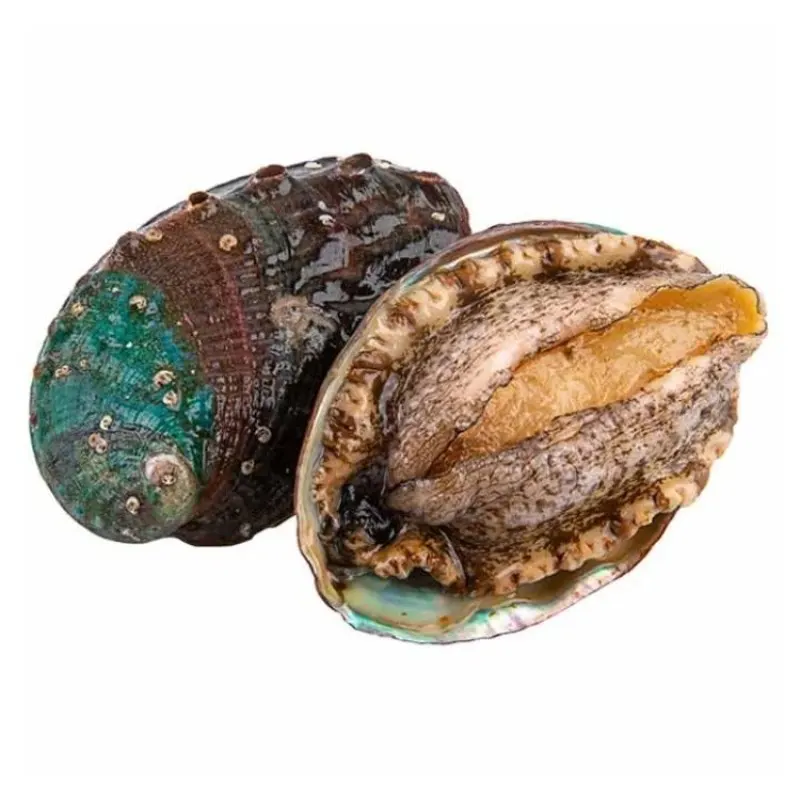
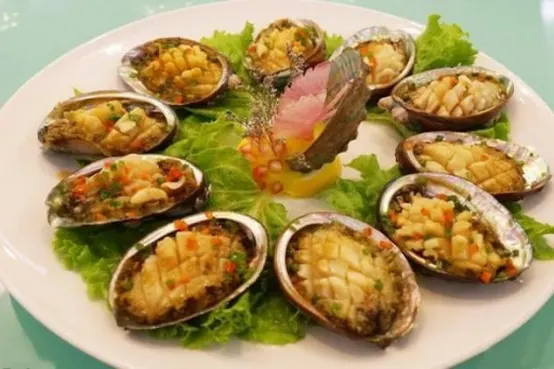
5. Abalone Just now we talked about sea cucumbers, let's talk about abalone this time. Abalone is very delicious and delicious. Some people handled the abalone uncleanly, and the internal organs inside were not removed. But in fact, these things are poisonous. From February to May every year, there will be toxins in the internal organs of abalone. After some people have eaten abalone, if they go to the sun, it will cause skin inflammation and some allergic symptoms.
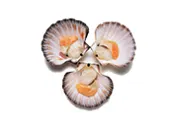
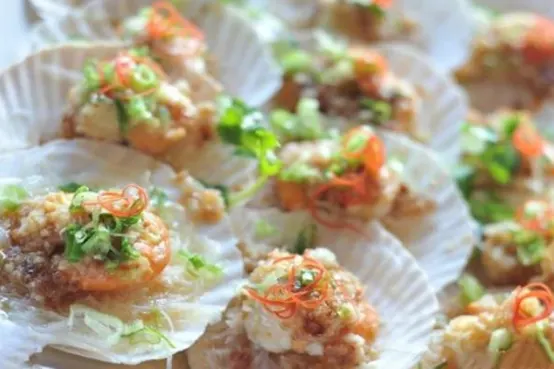
6. Scallops In Japan, when people eat scallops, they only eat scallops. It is believed that there are a lot of intestines in the skirt of the scallops, and Bedin is liked by the Japanese because it is very clean, has a fresh and chewy taste, and is very chewy. But in my country, some coastal cities are eating all the contents of scallops. The taste is really not as good as just eating bedin.
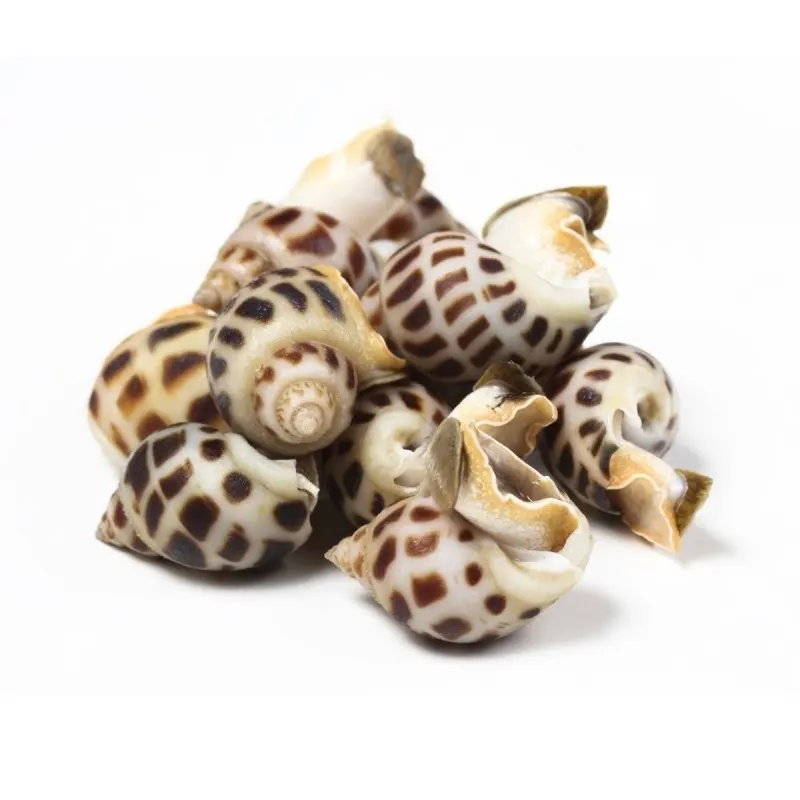
7. Conch When everyone eats conch, there are many things to pay attention to. First of all, the conch head generally has two things that look like small balls. This is the conch brain. If you eat too much, it can cause nausea and dizziness. The tail of the conch is internal organs, and there is a lot of sand in it. It tastes very bad and has a bitter taste, so when eating conch, everyone should pay more attention to this end and the end.
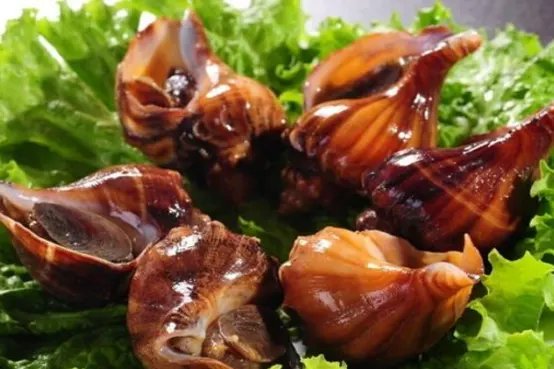
There is still a lot of knowledge about eating seafood. You can search for more relevant information when cooking or eating. The seafood that has been processed in this way will be more delicious.

With the application of cold chain technology in fresh logistics, more and more high-quality seafood can travel across land and time to the kitchens of more families, and the ranks of seafood parties are getting stronger and stronger, but how much do you know about the doorways in seafood? Do you dare to try a more extreme way to eat seafood? Today I will take you to get these fresh knowledge and subvert your understanding of seafood every minute!
【Seafood Cold Knowledge Group】
1. “King crab" is not a crab?
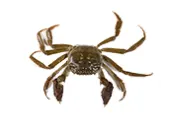
Real crabs have four pairs of feet plus a pair of crab pliers. We can look at pike crabs, hairy crabs and snow crabs. These real crabs have 8 legs and 2 pliers. The king crab has only six legs and two pliers, so they are not the same species, just like crayfish and Boston lobsters (crayfish family) are not lobsters (lobster family) is the same truth.
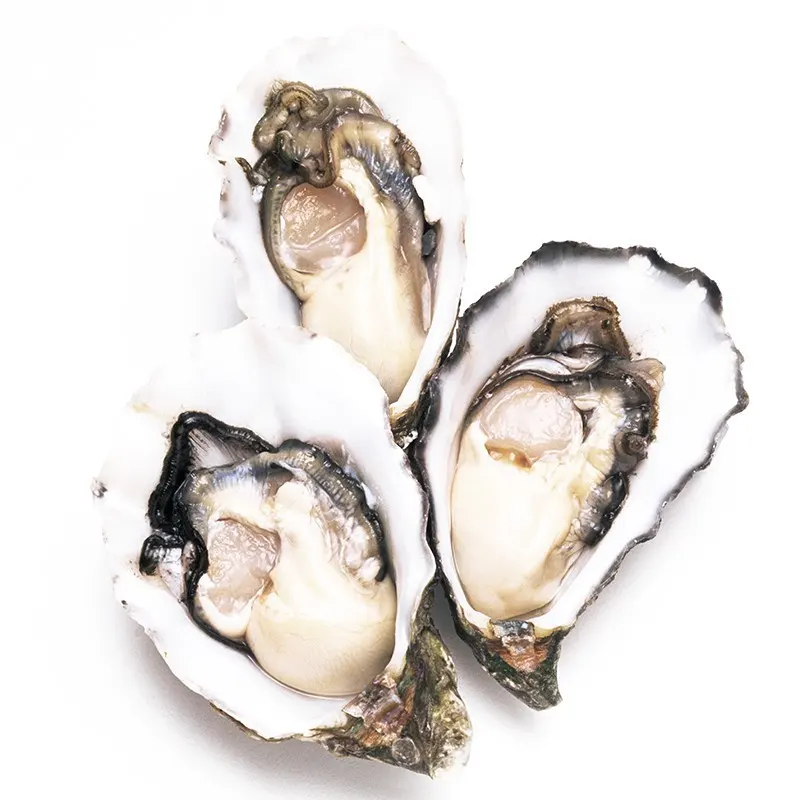
2. Oysters can also produce pearls
We all know that Ha mussels and mussels can produce pearls, and even professionals in pearl production. But few people know that oysters can actually produce pearls, but the probability is relatively low. There have been news all over the country that diners have eaten pearls from oysters during their diet, so you can buy the oysters home in the future and take a closer look when you eat them.
3. Lobsters are immortal
When many organisms divide cells, telomeres will continue to shorten. (The role of telomeres is to maintain the integrity of chromosomes and control the cell division cycle) When they are shortened to a certain extent, cells will begin to apoptosis. But lobster, a magical species, various tissue cells in the body will continue to secrete something called telomerase, and telomerase can grow telomeres, so lobster cells will not stop dividing due to shortening of telomeres. This is also the reason why lobsters live forever.
4. Crabs can also have long legs
Most crabs have short legs and frequently change their steps, but Gan's giant chelated crabs, which live at a deep bottom of 500-1000 meters off the coast of Japan and Taiwan, China, have enviable long legs. The largest specimen has a length of 4.2 meters, a body length of 38 cm, a weight of 20 kg, and a life span of 100 years after its legs are unfolded. The giant chelated crab of Gan's family seems fierce, but in fact it does not have the ability to swim or float. It can only crawl and forage at an unhappy speed on the bottom of the sea, and it is not good for humans.Be aggressive.
【Extreme Eating Group】
1. Korean live octopus
Octopus can be said to be the most tenacious seafood. Its brain and nervous system are very special. Even if its tentacles are completely chopped off, it can still move independently. Therefore, such a “rich” dish was born in Korea-eating live octopus raw. When eating octopus raw, it is usually served with some sauce or sesame oil. After eating it in the mouth, the tentacles of the octopus will continue to squirm energetically in the mouth, which can be said to be an extraordinary feeling.
However, there are certain risks in eating live octopus. If you have time to bite the octopus's suction cup before entering the mouth, the suction cup is likely to be adsorbed on the esophagus and cause danger. Therefore, as long as you put the live octopus in your mouth, you must stop hesitating. You must bite it steadily and quickly.
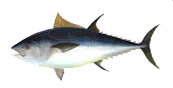
2. Japanese tuna eyes
Early warning ahead, beware of intensive phobias.
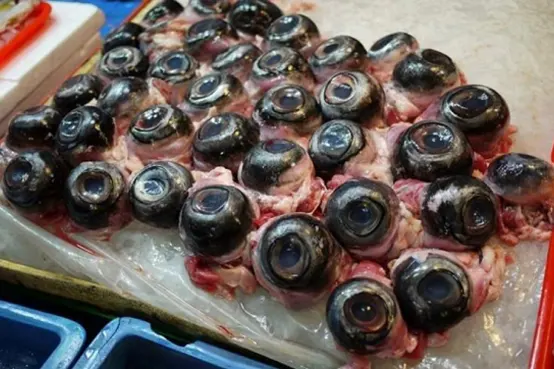
Regarding tuna, we eat the most tuna salad, but we don't know that the eyes of tuna are actually very popular seafood! Dip it in some sauces and eat it raw. It is said that the taste is very stimulating, but if you don't have a certain psychological quality, I'm afraid it will be difficult to try.
3. Japanese salt and spices
Shioxin is a Japanese dish. Long strips of squid or squid are often used. The internal organs are taken out and cut into thin strips or filaments. Then put the pulled out internal organs with salt, air-dry overnight and mash them into a meat puree, mix the previous filaments and stir together, and finally add cuttlefish juice to seal and ferment. The color of Yanxin is close to the flesh color of the skin. A bowl of Yanxin is placed in front of you, and the strips of viscous matter are intertwined, making it visually weird.
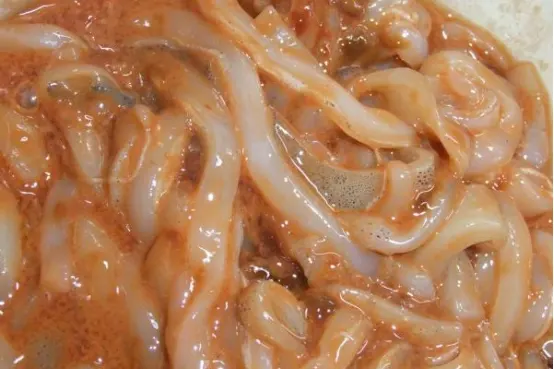
In terms of taste, salt and spices retain the fishy smell of the sea goods themselves, as well as the rotten taste brought about by fermentation. If you eat it directly, you can imagine how sour and refreshing it is. Therefore, in Japan, salt and spices are actually a side dish. A mouthful of salt and spices, a mouthful of sake or visa, is the most common.How to eat.
【"Top" Taste Group】
1. Swedish pickled herring
The odor of pickled herring is already well-known all over the world. NHK has used instruments to measure the odor value of salted herring, and the measurement result is as high as 8070Au; the odor index of stinky tofu, which also has a strong odor, is only 420Au. In other words, this is a food that is 20 times more smelly than stinky tofu! The smell of the finished Swedish salted herring is extremely strong, including the pungent smell of propionic acid, the rotten egg smell of hydrogen sulfide, the rancid grease smell of butyric acid, and the vinegar smell of acetic acid. Not to mention eating it, you can imagine its taste when you see these words.
2. Scandinavian alkali fish
In Scandinavia, people soak cod or white salmon in a strong alkaline solution. After many days, the strong alkaline solution breaks down the protein of the fish and swells it into large jelly-like substances. If the soaking time is too long, the fat of the fish will even turn into soap! ! After that, the fish soaked in the alkaline solution need to be soaked in fresh water for another week before it can be safely eaten. The pH value of alkaline fish reaches 12, and its alkalinity is 100,000 times that of water, which is extremely corrosive. If silver tableware is used, the tableware will be corroded.
3. Icelandic smelly shark
Stinky sharks are actually decomposers of sharks.
The Icelanders cut the captured sharks in the waters of Greenland into pieces and exposed them to the sun for four months. This is not over yet. After the exposure is over, they have to bury the shark meat in the sand and let it ferment through their own body fluids until the shark meat is completely soft. The shark meat that has gone through this series of tortures is slightly rough and chewy, and the taste of the meat is full of a strong sea smell. If you take a bite, you will feel a little bit sore. If you don't like to eat stinky tofu and stinky mandarin fish, and you have the ability to tolerate the stinky smell, this stinky shark still has to try carefully.
To tell you the truth, in the process of taking stock of these cold knowledge and various ”extreme" delicacies, I sighed at the richness of seafood while sighing at the creativity of mankind in the matter of “eating”. Are there any students here who have eaten these? Please share a wave of knowledge and experience!