News information

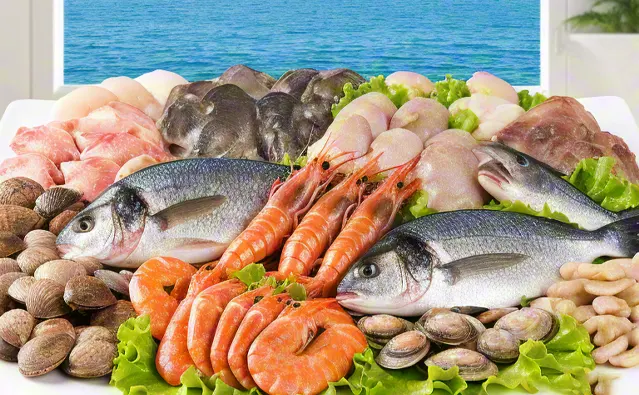
Seafood is rich in nutrients, especially lecithin contained in fish, trace elements contained in shrimp, and nutrients unique to various shellfish, which are of great help to children's growth. However, various rumors of seafood have also caused parents to have doubts. How should children who are still young and whose bodies and brains are not yet fully developed eat seafood?

1. Children can only eat seafood after 6 months of age

Even children who live by the sea are not able to accept seafood as soon as they are born. When the child is still young and can only eat breast milk and milk powder, no one will pass seafood to the child's mouth. Be sure to wait until your child is 6 months old before considering using shrimp to make monosodium glutamate as a condiment.

2. Taste the seafood and stop the allergy immediately if you find it

Seafood is a food that can easily cause allergies. When you give your child seafood for the first time, you must eat a small amount, a little shrimp, and some crab meat. Observe your child's reaction first. Make sure that your child does not have skin redness, itching, sore throat and other problems after eating seafood, and then slowly increase the amount of seafood.

3. Cooking and seasoning are mainly light

Children's digestive system is much more fragile than that of adults. Adults are used to fried foods and spicy flavors. Children have not formed such a strong gastrointestinal protective membrane. Therefore, seafood cooking should be mainly steamed and boiled. The seasoning is light, and it is best to use only salt for seasoning.

4. Eating "small” is better than eating “big”

The larger the marine life, the higher the position it occupies in the marine life chain. The so-called “big fish eat small fish”, large fish are more likely to accumulate heavy metals in their bodies. It is safer to choose small marine ingredients, such as prawns and miscellaneous fish, for children to eat.

5. The higher the fat content, the better

Many people prefer fish with high fat content, such as salmon, a red-fleshed fish, but for children to eat fish, it is best to choose white-fleshed fish, which has a lower fat content and insufficient flavor, but the food that children usually consume already contains a lot of fat. If you eat too much red-fleshed fish, it is easy to fat.Excessive intake.

What kind of seafood is suitable for children to eat? It is estimated that many parents will have a headache after reading the above part. There are so many seafood on the market. How can they choose to supplement their children's nutrition without worrying about the trouble caused by eating seafood? The following seafood can be used for reference.

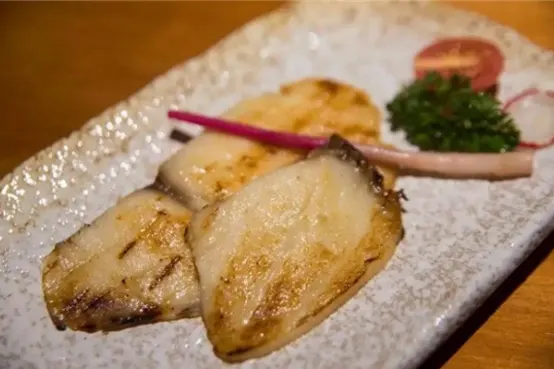
√cod

Cod is a high-quality white meat fish. It not only contains high-quality protein, but also contains a variety of vitamins and trace elements. It also contains linolenic acid and DHA, which have a positive effect on children's brain development. Cod is almost thorn-free, easy to cook, and has a soft taste, delicious taste, and is not prone to allergies.

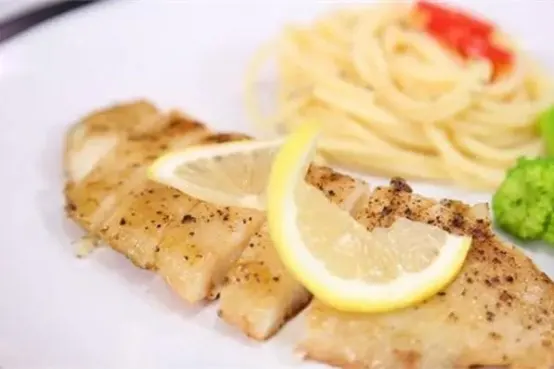
√Longli Fish

High-quality marine fish contain unsaturated fatty acids, no fish spurs, and are not old for a long time. For parents who are not very good at cooking, Longli fish is definitely the best in the ingredients. Longli Fish has the title of ”eye protection fish" to brighten children's eyes.
√Octopus

Octopus is easy to store and can be frozen for a long time. The meat is thick and delicious, and it is also rich in lecithin, which has the effect of nourishing the brain and strengthening the brain. There is only one main thorn in the middle of the octopus. It is fried in oil and braised. It is delicious and can be eaten by children with confidence. Don't worry about the fishbone problem.

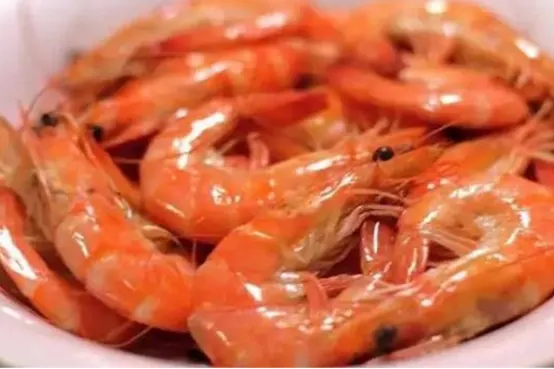
√White shrimp

Shrimp contains nutritionally balanced protein, and the rich amino acids in it are easily absorbed by the child's body. You can make white shrimp into shrimp puree and shrimp slippery to make it easier for children to accept. Regular consumption of shrimp has the effect of supplementing nutrition and improving immunity.
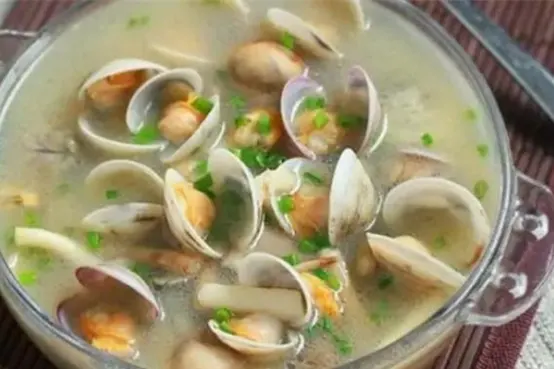
√Clam

The friendliest kind of shellfish is the clam, which has a super fresh taste and can be used for frying, soup, or steaming. Clams are easy to cook, and the taste is Q-elastic, and they are not easy to cause seafood allergies. When making noodles for children, you can put some clams to enhance the umami flavor.
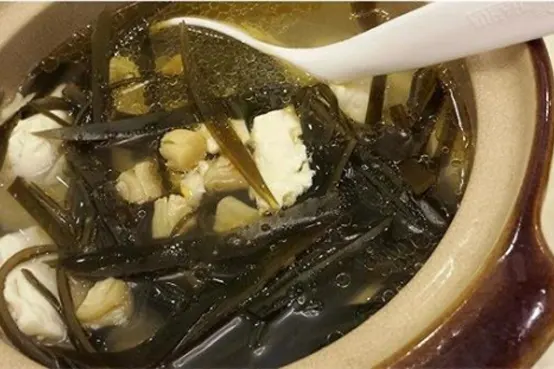
√Kelp

Kelp is rich in iodine, and the importance of iodine to children goes without saying. Kelp is also the main raw material of monosodium glutamate. When kelp is made into a soup, it is delicious without adding flavor essence. You can eat kelp soup every three weeks to get enough iodine. The frequency of eating kelp soup should not be too high, so as not to eat too much iodine.
January 30, 2025

There are many ways to prepare seafood sauces that are delicious. The following provide several common recipes.‌:

1. Universal white grilled shrimp dipping sauce

  • Ingredients: fresh shrimp, scallions, ginger and garlic, rice pepper, light soy sauce, steamed fish soy sauce, sesame oil, rice vinegar, cooking wine, salt, cooking oil.
  • Production steps:
    • Treatment of shrimp: Fresh shrimp, shrimp line, shrimp feet, clean and set aside. Shallots, ginger and garlic are minced, shallots, white shallots and green shallots are separated, and small rice peppers are cut into small circles and set aside.
    • Cook shrimp: Put water in the pot, add a spoonful of cooking wine, 2 spring onions, 2 slices of ginger, and a spoonful of salt. After boiling over high heat, pour in the washed fresh shrimp, cook for about 3-4 minutes, remove and set on a plate.
    • Prepare the dipping sauce: Put the scallions, white ginger and minced garlic in a bowl, add 2 tablespoons of light soy sauce, 1 tablespoon of steamed fish soy sauce, half a tablespoon of rice vinegar, and half a tablespoon of sesame oil, then drizzle with less than hot oil, add small rice peppers and green onions, and stir well. This dipping sauce is not only suitable for white grilled shrimp, but can also be used with other types of seafood.

2. Spicy seafood dipping sauce

  • Ingredients: white sesame seeds, minced garlic, chili noodles, sesame oil, vinegar, oyster sauce, green onions, geranium, star anise, pepper (used for frying), and seafood such as shrimp and octopus.
  • Production steps:
    • To burst the fragrance: Heat the oil in the pan, add the green onions, geranium, star anise, and pepper to burst the fragrance.
    • Prepare the dipping sauce: Mix the fragrant ingredients with white sesame seeds, minced garlic, chili noodles, etc. To make a dipping sauce.

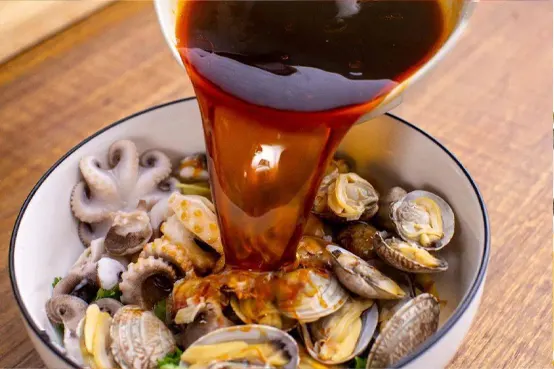
3. Fishing juice, small seafood seasoning sauce

  • Ingredients: light soy sauce, dark soy sauce, balsamic vinegar, sugar, minced garlic, minced ginger, chili oil, pepper oil, cooking wine, clear water, chicken essence or seafood essence, lime juice, white sesame seeds.
  • Production steps:
    • Basic seasoning mixing: Mix light soy sauce, dark soy sauce, balsamic vinegar, sugar, etc. and stir well.
    • Blend in spices: Add minced garlic, minced ginger, chili oil and other spices, and stir while adding.
    • Fresh and fruity blessing: add lime juice to add a fresh aroma.
    • Taste adjustment and standing: Add cooking wine, water, etc. to adjust the taste, and let it stand for the taste to fully blend.
    • Marinated seafood: After blanching the fresh seafood, quickly remove and drain the water, and marinate it in the seasoning sauce to taste.

Fourth, household universal seafood sauce

  • Ingredients: small rice pepper, minced garlic, blue and white pepper, paprika, garlic powder, monosodium glutamate, oyster sauce, light soy sauce, aged vinegar, sugar, pure water, etc.
  • Production steps: Mix the various seasonings evenly, splash the hot oil on the spices such as small rice pepper and minced garlic, then add other seasonings and mix well, and finally add the seafood to marinate.

When making seafood sauces, you can adjust them according to your personal tastes and preferences, such as increasing or decreasing the amount of certain spices, or replacing them with your favorite spices. At the same time, pay attention to the collocation and proportion of various spices to achieve the best taste effect.

January 30, 2025

To determine whether seafood is fresh, it can be comprehensively evaluated from many aspects such as appearance, smell, touch, activity, and the state of a particular part..

Observe the appearance‌:

  • For fresh seafood, such as fish, the eyes of the fish are usually clear, full and prominent; the shell of shrimp should be shiny and complete, without damage or dark spots; crabs depend on whether the crab shell is green and bright, and the crab belly is white.
  • For high-quality fish such as grouper, the scales should be close to the epidermis and the spots should be evenly distributed.

Smell the smell‌:

  • Fresh seafood usually has only a faint taste of sea water or a slight fishy smell.
  • If there is a strong odor, such as fish with a rancid smell and shrimp with a rotting mold smell, it may not be fresh.

Tactile‌:

  • Fresh seafood, the meat quality should be elastic, and it can rebound quickly after pressing.
  • For live seafood, such as crabs and shrimp, it is necessary to observe their mobility. The lively ones are usually relatively fresh.

Check the status of specific parts‌:

  • The gills of the fish should be bright red. If the gills are off-white or dark red, accompanied by more mucus and odor, it means that the fish may not be very fresh.
  • The meat of abalone should be fat, full and elastic, beige or light brown in color, and fresh and shiny in texture; stale abalone should be gray in color and fleshy.

Other precautions‌:

  • When buying seafood, you should choose a reliable sales channel and avoid buying seafood of unknown origin.
  • For chilled or frozen seafood, pay attention to whether the packaging is complete and undamaged, whether the shelf life is clearly visible and within the validity period, whether the frost is uniform and there is no melting phenomenon.

Through the above methods, the freshness of seafood can be judged more accurately, so that high-quality seafood products can be purchased.

January 30, 2025

In summer evenings, call friends and family or three or five confidants, whether it's eating a seafood meal at home, or going out to a restaurant to eat seafood dishes, self-service seafood, seafood barbecue, with air conditioning and beer, it's very comfortable.

However, there are still some health risks in eating seafood. If you don't pay attention, it may cause allergies, acute gastroenteritis, food poisoning, gout and other diseases. Therefore, ordinary people need to know some health and safety knowledge about eating seafood in order to protect their health and avoid various diseases while enjoying delicious food.

What should I pay attention to when eating seafood?

1. People with allergies, especially those who are allergic to seafood, should avoid seafood.

The protein content of fish, shrimp, crabs and other varieties in seafood is very high, especially it contains a large number of heterologous proteins, which can directly or indirectly activate immune cells in the body, cause the release of chemical mediators, and produce some complex biochemical reactions in the human body, leading to allergic reactions.

A few people will develop allergies after eating fresh fish, shrimp, crabs, etc. due to their innate lack of enzymes that break down histamine. The symptoms of allergies after eating seafood are generally itching, redness, edema, nausea, vomiting, abdominal pain, diarrhea, etc. Once you have an allergy to eating seafood, you should stop eating seafood immediately and use anti-allergic drugs for treatment under the guidance of a doctor, usually including antihistamines such as loratadine and diphenhydramine. If patients with severe allergies may experience laryngeal edema, dyspnea, shock and other emergencies, they should immediately go to the hospital for emergency treatment. Generally, glucocorticoids, anti-allergic drugs, etc. need to be used urgently for emergency treatment.

Therefore, for people with allergies, especially those who are allergic to seafood, it is recommended not to eat seafood because it may cause serious allergic reactions.

2. Seafood is best cooked and eaten raw. Eating it raw is risky.

Seafood may be contaminated with some pathogenic bacteria, viruses, and parasites. The bacteria often carried in seafood such as fish, shrimp, crabs, conch, etc. are Vibrio parahaemolyticus, Vibrio trauma, Vibrio cholerae, Listeria monocytogenes, pathogenic Escherichia coli, salmonella, etc. The most important pathogen is Vibrio parahaemolyticus. The heat resistance of Vibrio parahemolyticus is relatively strong, and it can only be killed at more than 80℃, and it can only be completely sterilized by cooking in boiling water for 4-5 minutes.

At the same time, shellfish such as conch may contain a variety of parasites such as tube worms, pulmonary flukes, and schistosomiasis, as well as pathogenic viruses such as norovirus and hepatitis A virus. If you eat raw seafood or eat undercooked seafood, infection with bacteria such as Vibrio parahemolyticus can cause nausea and vomiting, abdominal pain, diarrhea, fever and other acute gastroenteritis symptoms, severe cases cause sepsis, or blood pressure drops, shock and other symptoms due to severe diarrhea. Infection with parasites such as pulmonary flukes and schistosomiasis can lead to parasitic diseases such as pulmonary flukes or schistosomiasis.

Infection with norovirus often causes gastroenteritis in autumn and winter, while infection with hepatitis A virus can cause acute viral hepatitis. Therefore, seafood should be fully cooked and steamed before eating, because high temperature can kill bacteria, viruses, and parasitic eggs, which is the most convenient and economical method of disinfection and sterilization.

If you must eat seafood raw, it is recommended to freeze it for 1-2 hours, then soak it in light salt water, and finally add mustard and vinegar when eating seafood raw, which has a certain bactericidal and parasite-killing effect.

3. Eat seafood and try to choose live and fresh seafood as much as possible

In order to reduce acute gastroenteritis and food poisoning caused by eating seafood, you should try to buy live and fresh seafood when buying seafood. Since shrimp and crabs are high in protein, if they are not frozen in time after death, the protein can easily corrupt and deteriorate, resulting in some toxins. In addition, frozen seafood may also deteriorate during freezing, storage, and thawing. The possibility of spoilage. It should also be noted that it is not recommended to keep seafood in the refrigerator overnight. Seafood belongs to a class of foods that are more prone to bacteria. If you can't finish eating on the same day, a large number of bacteria may grow overnight and produce more protein degradables at the same time, resulting in the destruction of nutrients in seafood and deterioration. Therefore, after eating seafood overnight and refrigerated, it is very likely that you will experience symptoms of nausea, vomiting and diarrhea.

4. It is best not to drink beer when eating seafood

It is best not to drink beer when eating seafood. Seafood is a high-protein, low-fat food, containing two components, purines and glycosides, which are metabolized to produce uric acid; beer contains vitamin B1, which is the catalyst for the catabolism of purines and glycosides. When purines, glycosides and vitamin B1 are mixed together, chemical effects will occur, which will cause the content of uric acid in the human blood to increase rapidly, destroying the original balance; if uric acid cannot be excreted in time, it will precipitate in the form of sodium salt, which will eventually lead to gout and kidney stones, especially for people with a history of gout. It is recommendedEat less seafood and avoid drinking beer when eating seafood, because it can induce gout attacks.

If you want to drink alcohol, it is recommended to match white wine or wine when eating seafood. The purine content in Baijiu is relatively low, and seafood itself is a food of a cold nature, which can easily cause stomach pain after eating too much. Baijiu is a kind of hot drink, which can minimize the irritation of seafood to the gastrointestinal tract. White wine has a high acidity and has a good fishy effect. In addition, it can play a bactericidal role and is also suitable for pairing with seafood.

5. Patients with certain special diseases need to avoid eating seafood

Patients with the following diseases should limit or avoid eating seafood:

(1) Liver and kidney insufficiency: The high protein content in seafood may increase the burden on the liver and kidney and aggravate the symptoms of the disease. Therefore, people with liver and kidney insufficiency should limit or avoid eating seafood.

(2) Digestive system diseases: People suffering from digestive system diseases such as gastric ulcers and gastritis should eat seafood with caution, because seafood often has some irritating substances and high levels of protein that may irritate the gastric mucosa and worsen the condition.

(3) Cardiovascular and cerebrovascular diseases: People suffering from cardiovascular and cerebrovascular diseases such as hypertension and coronary heart disease should limit or avoid eating high-cholesterol seafood, such as shrimp and crabs, to prevent elevated hemostatic lipids and blood vessel blockage.

(4) Hyperuricemia: Seafood is a high-protein, low-fat food that contains two components, purine and glycine, which are metabolized to produce uric acid. Therefore, people with hyperuricemia or gout should avoid seafood that can easily cause elevated uric acid.

6. Seafood cannot be eaten with the following foods

Under normal circumstances, seafood cannot be eaten with the following foods to avoid adverse effects on the body.

(1) Foods containing tannic acid: Seafood is usually high in protein, calcium, phosphorus and other nutrients. If eaten with grapes, hawthorn, persimmon, tea and other foods with high tannic acid content, calcium and tannic acid will combine, causing condensation, causing vomiting, nausea, abdominal pain and other gastrointestinal discomfort..

(2) Foods with high vitamin C content: Shrimp, crabs, and oysters all contain a small amount of arsenic in seafood. The arsenic contained in seafood is fifth-order arsenic that is not harmful to the human body. When we eat seafood and take a lot of vitamin C at the same time, fifth-order arsenic reacts chemically with vitamin C, which will causeProduces third-order arsenic, which is highly toxic to the human body. Therefore, when seafood is eaten with a large amount of vitamin C, it can cause food poisoning. It is best not to eat it together.

The above are the health tips you need to know when eating seafood. I hope you will pay attention to these precautions when eating seafood so that you can enjoy the delicious food while protecting your health.

January 30, 2025

Health effects

Crayfish: anti-aging, antioxidant, anti-cancer and anti-cancer
White sugar: low protein

Ingredients

Crayfish 1 catty1 tablespoon of light soy sauce
Half a tablespoon of balsamic vinegarHalf a tablespoon of fresh shellfish soup
A little sugar1 small piece of ginger
3 green onions1 clove of garlic
1 tablespoon of rice wine 

The practice of white-burnt crayfish

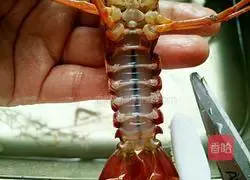
1.The lobster is kept in clear water for more than 1 hour (change the water several times in the middle), tear off the sand line, and repair it with scissors.
2.Then wash with clean water.

3.Wash the scallions, ginger, and garlic.
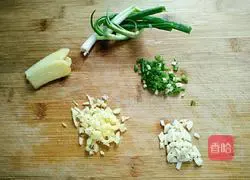
4.Take two green onions knotted, the remaining chopped green onions, half of the ginger sliced, the other half chopped ginger and garlic diced.

5.Take a clean bowl, add ginger and garlic grains, add 2 tablespoons of boiling water, mix well and let cool.

6.Add light soy sauce, balsamic vinegar, sugar, and fresh shellfish and mix well to make a dipping sauce.
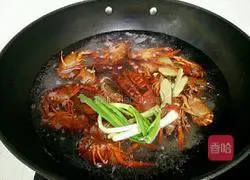
7.Bring the water to a boil, pour in the lobster, chives, ginger slices, and rice wine, and blanch over medium heat for 10 minutes.
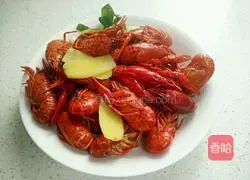
8.Remove and control the dryness (it can be eaten).
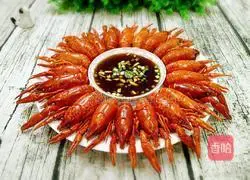
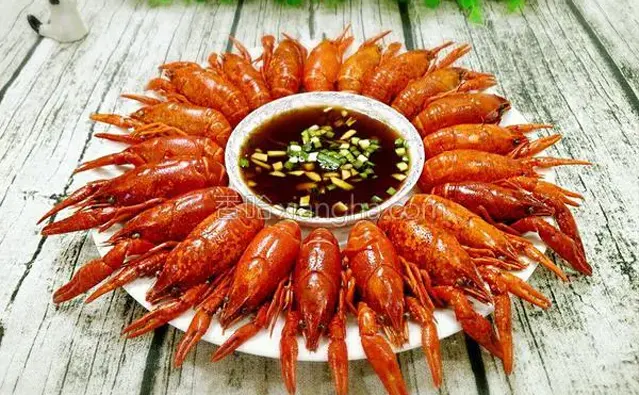
9.Code plate, put the dipping sauce in the flavor plate, sprinkle with a little green onion. Ready-to-eat.

Tips

小龍蝦在清理過程中可選擇A、去掉沙線再白灼,做出來吃著更方便、放心,但肉質稍微比較松哈。不去掉沙線,白灼後吃起來,肉質比較緊嫩,但吃的時候要剝殼,還要去沙線才能吃哦。根據個人選擇。
January 27, 2025

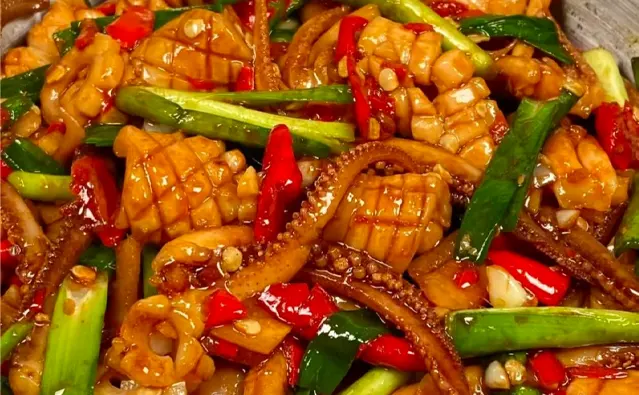
Ingredients: 100g squid, 1 fine celery, 1 small piece of ginger, a little pepper, 2 cloves of garlic, 3 dried red peppers, 1 tablespoon of the signature bibimbap sauce, a little sugar, cooking wine, white vinegar, and light soy sauce each. Appropriate amount.

    practice:

      • Bring water to a boil in a pot, add a little cooking wine, add the squid whisks, blanch for a few seconds, then quickly pick it up and drain.
      • Add a little oil to the pan, heat it, add pepper grains, ginger, garlic, and minced chili. After stirring over low heat, add the signature bibimbap sauce and stir-fry the red oil.
      • Add squid whisks and celery, fry for about two minutes, add cooking wine and stir-fry evenly, and finally add a little light soy sauce and sugar, and stir-fry evenly.

    January 27, 2025