News information

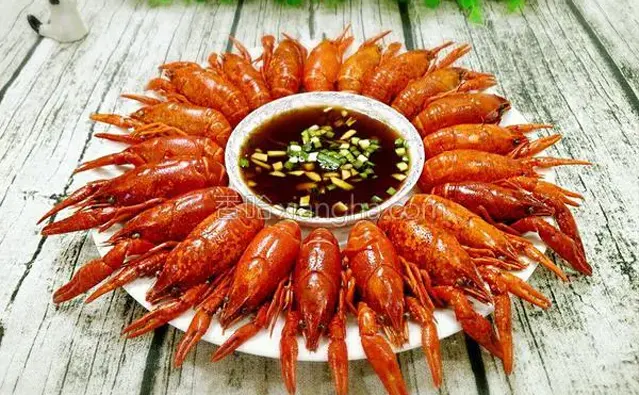
White burnt crayfish

Health effects

Crayfish: anti-aging, antioxidant, anti-cancer and anti-cancer
White sugar: low protein

Ingredients

Crayfish 1 catty1 tablespoon of light soy sauce
Half a tablespoon of balsamic vinegarHalf a tablespoon of fresh shellfish soup
A little sugar1 small piece of ginger
3 green onions1 clove of garlic
1 tablespoon of rice wine 

The practice of white-burnt crayfish

1.The lobster is kept in clear water for more than 1 hour (change the water several times in the middle), tear off the sand line, and repair it with scissors.
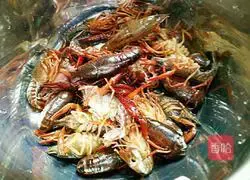
2.Then wash with clean water.

3.Wash the scallions, ginger, and garlic.

4.Take two green onions knotted, the remaining chopped green onions, half of the ginger sliced, the other half chopped ginger and garlic diced.

5.Take a clean bowl, add ginger and garlic grains, add 2 tablespoons of boiling water, mix well and let cool.

6.Add light soy sauce, balsamic vinegar, sugar, and fresh shellfish and mix well to make a dipping sauce.
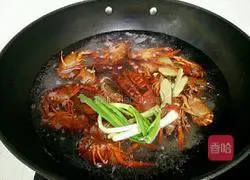
7.Bring the water to a boil, pour in the lobster, chives, ginger slices, and rice wine, and blanch over medium heat for 10 minutes.

8.Remove and control the dryness (it can be eaten).
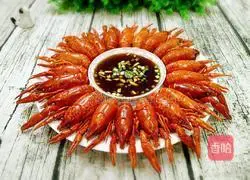
9.Code plate, put the dipping sauce in the flavor plate, sprinkle with a little green onion. Ready-to-eat.

Tips

小龍蝦在清理過程中可選擇A、去掉沙線再白灼,做出來吃著更方便、放心,但肉質稍微比較松哈。不去掉沙線,白灼後吃起來,肉質比較緊嫩,但吃的時候要剝殼,還要去沙線才能吃哦。根據個人選擇。
January 27, 2025

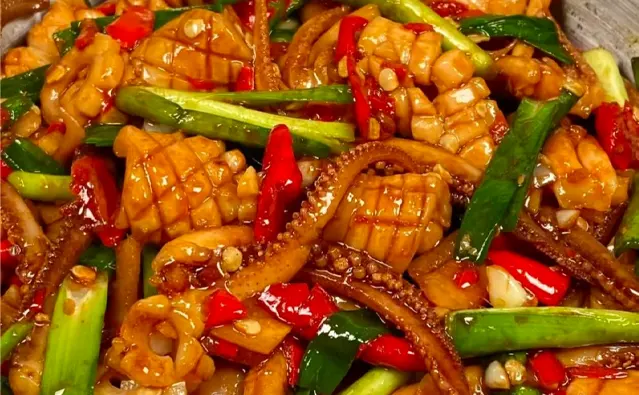
Ingredients: 100g squid, 1 fine celery, 1 small piece of ginger, a little pepper, 2 cloves of garlic, 3 dried red peppers, 1 tablespoon of the signature bibimbap sauce, a little sugar, cooking wine, white vinegar, and light soy sauce each. Appropriate amount.

    practice:

      • Bring water to a boil in a pot, add a little cooking wine, add the squid whisks, blanch for a few seconds, then quickly pick it up and drain.
      • Add a little oil to the pan, heat it, add pepper grains, ginger, garlic, and minced chili. After stirring over low heat, add the signature bibimbap sauce and stir-fry the red oil.
      • Add squid whisks and celery, fry for about two minutes, add cooking wine and stir-fry evenly, and finally add a little light soy sauce and sugar, and stir-fry evenly.

    January 27, 2025

    The most authentic way of drunk shrimpIt mainly includes the following steps:

    Prepare materials: The main ingredients needed are live river shrimp, green pepper, millet spicy, shallots, coriander, ginger, garlic, salt, chicken essence, soy sauce, vinegar, sugar, white wine and rice wine. In addition, you can also add spices such as lemon, star anise, pepper, and geranium according to your personal taste. ‌

    Processing river shrimp: After buying the live river shrimp back, put them in a basin for 1 hour, and change the water 5 times during the period. Then wash it clean, cut off the shrimp whiskers and shrimp guns, and remove the sediment. ‌

    Make drunk shrimp juice: In a bowl, add chopped green peppers, spicy millet, shallots, coriander, minced ginger, minced garlic, salt, chicken essence, soy sauce, vinegar, sugar and other spices, and marinate for 15 minutes. Then mix Baijiu and rice wine in a 1:4 ratio in a small bowl. ‌

    Drunk shrimp making: Put the processed river shrimp in the blended rice wine and white wine, close the lid and soak for 1 minute. Then pour the marinated seasoning into the shrimp bowl, close the lid, and wait for the shrimp to be “drunk” before eating.

    Seasoning and preservation: After the drunk shrimp is made, the ratio of seasonings can be adjusted according to personal taste. Usually the ratio of rice wine to light soy sauce is 5:1, and the ratio of shrimp to rice wine is 1:1. The prepared drunk shrimp can be refrigerated in the refrigerator for 6-12 hours before eating, which has a better taste. ‌

    How to eat drunk shrimp:Drunk shrimp is best served with beer, which has a better taste. In addition, the key to the production of drunk shrimp lies in the selection of fine rice wine and appropriate seasonings, so as to make delicious drunk shrimp.

    January 27, 2025

    The long-standing origin of the Yangtze River knifefish‌:
    The Yangtze River knifefish, an ancient fish with a narrow, long and thin side, is named after its shape resembling a sharp knife. Its history can be traced back to the distant past 25 million years ago. In the vast historical books, the figure of swordfish can be seen everywhere. For example, in the “Shanhai Jing·Nanshan Jing”, there is a record of “Tiaoshui comes from its yin, and Beiliu is in the area, and there are many pelican fish", while the "Interpretation of Words" annotates: "Goku, drink without eating swordfish, Jiujiang has it." ”‌

    Rare species of Yangtze River knifefish‌:
    The Yangtze River swordfish, scientific name is the long-jaw swordfish, is a migratory fish of the genus Swordfish of the family Swordfish. It usually lives in the sea, enters the river from the sea in February to March every year, and travels up the river for reproductive migration. The Yangtze River knifefish has a narrow, long and thin body shape, a rounded head, a light blue back, a yellowish body, an off-white abdomen, a beige base of each fin, and a black edge of the caudal fin, which has unique biological characteristics.

    Various ways to eat Yangtze River knifefish‌:
    There are many ways to eat swordfish in the Yangtze River, among which steaming and braising are the most common practices. Steamed knifefish can maintain the delicious original flavor of the fish, which is simple and easy to make; braised knifefish is delicious and rich in taste. During production, the knifefish needs to be offal, washed and cut into segments, marinated in wine and salt, and then steamed or braised according to personal taste.

    The rich nutritional value of Yangtze River knifefish‌:
    Yangtze River swordfish has extremely high nutritional value and is rich in high-quality protein, unsaturated fatty acids, minerals and vitamins. Among them, EPA and DHA can lower cholesterol and blood pressure, and prevent blood from clotting into solids, which have good environmental effects on patients with hypertension and coronary artery hardening; vitamin B can help delay early aging; vitamin B12 helps treat anemia. In addition, the Yangtze River knifefish is also rich in minerals such as phosphorus, iron, calcium, potassium, sodium, and magnesium, as well as vitamins A, D, and E, which play an important role in protecting eyesight, enhancing immunity, and antioxidant.

    January 27, 2025

    The magical origin of snow clams‌:
    Snow clam, scientific name Northeast forest frog, is a precious frog species in northeast China. It can hibernate in frozen rivers and snow for more than a hundred days, showing amazing vitality, and is known as the ”crown of vitality in nature." The essence of snow clam is the fallopian tubes of its female frogs, called snow clam oil, which has been used for thousands of years and was listed as a tribute to the court in the Ming and Qing dynasties.

    Rare species of snow clam‌:
    As an amphibian of the frog family, snow clams have unique varieties and harsh growing environments. It lives in and near a variety of still waters such as forests, bushes, grasslands, and lakes, and feeds on wild fruits and insects. The snow clam has a stout body, smooth skin on the back, and its color will change with changes in the environment, from gray-brown to reddish-brown, showing its unique biodiversity.

    Various ways to eat snow clams‌:
    The consumption methods of snow clams are very diverse, and they can be made into delicious dishes such as stewed snow clams, stewed snow clams with papaya, snow clams in fresh milk apricot juice, snow clams with American ginseng, and snow clams stewed with osmanthus and fungus. During the cooking process, you can add the right amount of ingredients according to your personal taste, such as red dates, wolfberries, etc., to increase flavor and nutritional value. At the same time, attention should be paid to controlling the heat and time to avoid overcooking affecting the taste and nutrition of snow clams.

    The excellent nutritional value of snow clams‌:
    Snow clam oil is the essence of snow clam. It is rich in collagen, amino acids, nucleols and other substances. It has the effects of nourishing the lungs, nourishing the yin, nourishing the brain, and anti-aging. It can promote skin metabolism and keep the skin smooth and young. In addition, snow clam can also enhance the physique of the elderly and infirm, those with postpartum qi deficiency, and those who have recovered from long-term illness, and it can play a good adjuvant treatment role for diseases such as pulmonary deficiency and cough, chronic bronchitis, etc. For patients with menopause syndrome, snow clam is an indispensable medicine. It can regulate the hormone balance in the body and effectively relieve symptoms such as heart palpitations, insomnia, and dizziness.

    Snow clams are loved and respected by people for their magical origin, rare varieties, diverse eating methods and excellent nutritional value.

    January 27, 2025

    origin‌:
    Wild rhubarb fish, scientific name is Larimichthys crocea, is a fish of the Shishou fish family and the yellow fish genus, mainly distributed in the East China Sea. Its body shape is long, flat on the sides, slender tail stalk, large head, brightly colored body, small scales and tightly arranged, with unique biological characteristics.

    Variety characteristics‌:
    As a fish unique to the East China Sea, wild rhubarb fish has a slow growth rate. It usually takes 5 to 7 years to grow, and its life span generally does not exceed 10 years. Its meat is tender, delicious, and rich in nutrients, so it is loved by people. However, due to overfishing and environmental destruction, the population of wild rhubarb fish has decreased year by year and has now become a rare resource.

    Various ways to eat‌:

    • Braised rhubarb fish: After the rhubarb fish is cleaned, take a flower knife and marinate it with shredded ginger, shredded scallions, cooking wine, and salt, then steam it and drizzle it with flavored juice.
    • Steamed rhubarb fish: The cleaned rhubarb fish is topped with cooking wine, salt, scallions, ginger, shredded chili, etc., steamed over high heat and replaced with fresh spices, topped with steamed fish soy sauce, and the hot oil can be fragrant.
    • Pan-fried rhubarb fish: Put the marinated rhubarb fish in hot oil and fry slowly over low heat until golden on both sides.
    • Yellow fish soup: After the rhubarb fish is cleaned, stir-fry on both sides, add wine and appropriate amount of water, boil over high heat and season to taste.

    Rich in nutritional value‌:

    • Replenish blood and qi: Wild rhubarb fish is rich in protein, vitamins and minerals, which help regulate physical weakness and achieve the effect of nourishing the body.
    • Anti-aging: The trace element selenium has a strong antioxidant effect, which can effectively scavenge free radicals and delay the aging of the body.
    • Cosmetic anti-wrinkle: High-quality protein has a good protective effect on the skin, especially for wrinkles caused by stress and lack of sleep. It has a significant relieving effect.
    • Prevention of cardiovascular disease: Rich in unsaturated fatty acids, especially Omega-3 fatty acids, which help lower blood cholesterol levels and prevent cardiovascular disease.
    • Promote nervous system health: Contains B vitamins, such as vitamin B12 and vitamin B6, which help maintain the health of the nervous system and metabolism.

    With its unique variety characteristics, diverse eating methods and rich nutritional value, wild rhubarb fish has become a precious delicacy on people's tables.

    January 27, 2025

    The origin of butter crab‌:
    The predecessor of the butter crab is the female butter crab, which mainly grows in the Liufushan and Pearl River basins of Hong Kong, especially at the junction of the brackish waters of Humen Taiping (Benwan), Dongguan City, and the sea surface of Houwan, Shenzhen. The unique environment of these areas allows female butter crabs to lay eggs in summer. When they are stimulated by direct sunlight and increased temperature, the crab paste will break down into golden yellow oil and penetrate into the whole body, thus becoming a butter crab.

    Varieties of butter crabs‌:
    The butter crab is not an independent species, but a mutant form of the female butter crab. It is named after the crab ointment turned into oil, and is known for its sweet ointment and tender meat. It is a unique and precious seafood food in Guangdong, Hong Kong and Macao, and is known as the “King of crabs.”

    How to eat butter crab‌:
    Butter crabs are eaten in various ways, but the most common is cooking. When cooking, wash the butter crab, put it in a pot full of boiling water, add a piece of ginger, and cook it over high heat. Generally, butter crabs over half a catty need to be cooked for 20 minutes, and those under 6 taels need to be cooked for 15 minutes. The color of the butter crab after cooking is between red and yellow, and the yellow grease can be seen on the crab lid and the joints of the crab claws. The taste is extremely delicious.

    Nutritional value of butter crab‌:
    Butter crab is rich in a variety of nutrients, including rich protein, fat, vitamins and minerals. These substances are essential for a variety of physiological activities of the human body, helping to strengthen resistance, provide necessary energy, and maintain a healthy state. In particular, it is worth mentioning that butter crabs are also rich in vitamin D, vitamin E and B vitamins, which have a significant nourishing effect on the body.

    The above is an introduction to the origin, varieties, eating methods and nutritional value of butter crabs.

    January 27, 2025

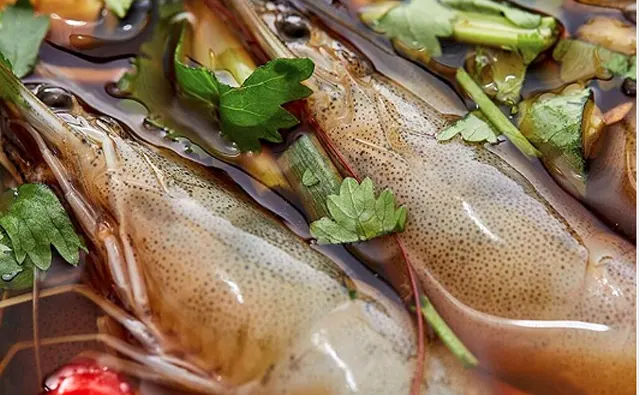
    The origin of tiger shrimp‌:
    Tiger shrimp, scientific name Vanabin shrimp, is a high-quality seafood native to South America. In recent years, with the improvement of people's living standards and the popularization of the concept of healthy eating, tiger shrimp has gradually become a frequent visitor to people's tables because of its rich nutritional value and delicious taste.

    Varieties of tiger shrimp‌:
    There are many varieties of tiger prawns, of which the big tiger prawns (scientific name Vanabin prawns) are the most well-known. In addition, there are species such as spotted shrimp (also known as black tiger shrimp). These tiger shrimp have a hard shell, sharp shrimp guns, full and sturdy shrimp bodies, body lengths of up to 25 cm or more, domineering appearance and delicious meat.

    How to eat tiger shrimp‌:
    Tiger shrimp can be eaten in a variety of ways, and can be cooked according to personal taste. Common methods of consumption include steaming, braising, frying, etc. Steamed tiger prawns can retain their original delicious taste to the maximum extent possible; braised tiger prawns can absorb more seasonings and have a richer flavor; fried tiger prawns are crispy on the outside and tender on the inside, and have a unique taste. In addition, tiger shrimp can also be used to make salads, soups and other delicacies.

    Nutritional value of tiger shrimp‌:
    Tiger shrimp has extremely high nutritional value and is rich in high-quality protein. The protein content per 100 grams of shrimp meat can reach about 20 grams, which far exceeds the protein content in other seafood, eggs and milk. 13. In addition, tiger shrimp are also rich in unsaturated fatty acids, minerals (such as calcium, phosphorus, iron, magnesium, zinc, etc.) and vitamins (such as vitamin B group, vitamin E, etc.). These nutrients play an important role in maintaining good health, enhancing immunity, and promoting growth and development. In particular, the magnesium content in tiger shrimp has an important regulatory effect on heart activity and can protect the cardiovascular system well; phosphorus and calcium are particularly beneficial for children and pregnant women.

    In summary, tiger shrimp not only has a delicious taste, but also has extremely high nutritional value, making it the perfect choice for seafood lovers.

    January 27, 2025

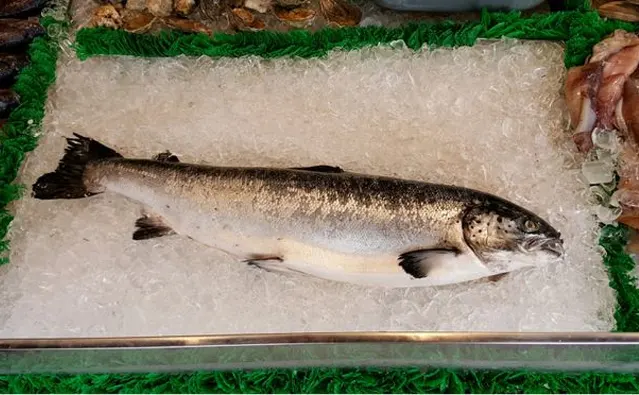
    The origin of salmon‌:
    Salmon, the scientific name is salmon, is mainly distributed in the northern Pacific Ocean and the northern regions of Europe, Asia, and America. Among them, Atlantic salmon (scientific name: Salmo salar) is a cold-water migratory fish of the genus Salmon of the salmon family. It was originally produced in the northern Atlantic Ocean and extends from the east coast of Canada to western Europe, England, and south to Portugal and other places. 1 Pacific salmon are widely distributed in the North Pacific, including the West coast of North America, the Russian Far East, and the northern waters of Japan.

    Varieties of salmon‌:
    Salmon mainly includes Atlantic salmon (also known as Norwegian salmon), Pacific salmon (such as salmon, king salmon, etc.) and other species. The body shape of Atlantic salmon is spindle-shaped, the back is silvery blue, there are black spots above the side line, and the meat has a unique orange-red color1. There are many varieties of Pacific salmon, each with its own unique morphology and habits.

    How to eat salmon‌:
    Salmon is cooked in a variety of ways, from simple raw food to complex cooking, which can show its unique delicacy. In terms of raw food, salmon sashimi is the most common way to eat it. It can be used with soy sauce, mustard or lemon juice to maximize its original flavor and nutrition. In terms of cooking, salmon can be roasted, fried, smoked or canned, each method can bring a different taste experience.

    Nutritional value of salmon‌:
    Salmon is known as the “gold in the sea” and its nutritional value is extremely high. It is rich in high-quality protein, easy for the human body to digest and absorb, and is an ideal food for fitness people and athletes. At the same time, salmon is an important source of Omega-3 unsaturated fatty acids, which are essential for heart health and can reduce the risk of cardiovascular disease. At the same time, it is beneficial to brain development and vision protection. In addition, salmon also contains vitamin D, B vitamins, and a variety of minerals, such as potassium, phosphorus, and selenium, which are of great benefit to human health.

    January 27, 2025

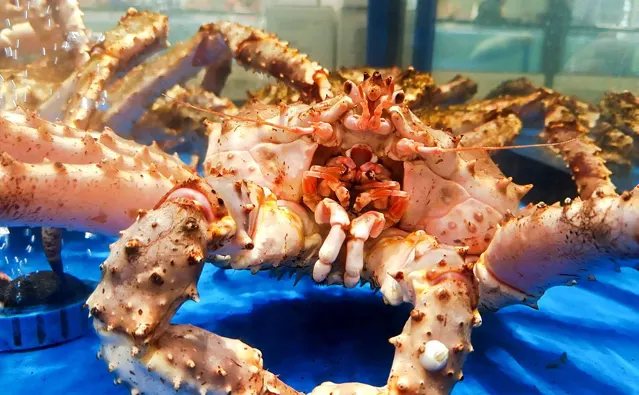
    King crabs are mainly derived from the cold-water waters of the North Pacific Ocean. There are many varieties, various methods of consumption, and high nutritional value.

    帝王蟹是生長在深海的一種體型巨大的甲殼類動物,主要分佈在北太平洋的冷水海域,特別是從日本海、鄂霍次克海至白令海一帶‌12。它們並不是真正的螃蟹,而是屬於石蟹科擬石蟹屬的動物‌。

    帝王蟹有多種品種,常見的分類包括藍帝王蟹、紅帝王蟹和金色帝王蟹等‌1。藍帝王蟹主要棲息在北太平洋地區,包括聖馬修島、普裏比羅群島和阿拉斯加的迪奧米等地;紅帝王蟹則是帝王蟹家族中體型最大的一種,外殼為葡萄紫紅色,主要生活在寒冷的深海中;金色帝王蟹是最常見且價格相對便宜的品種,外表呈現金色並帶有一點褐色‌。

    在食用方法上,帝王蟹的肉質鮮美,備受消費者喜愛。常見的吃法有蒸蟹腿,只需加點蔥薑蒸20分鐘,肉質鮮嫩,簡單又美味。此外,還有蒜蓉帝王蟹、天婦羅帝王蟹腿、帝王蟹炒飯、帝王蟹涮鍋、炭烤帝王蟹等多種做法,每一種都能帶來不同的味覺享受‌。

    帝王蟹還含有豐富的蛋白質和微量元素,對身體有很好的滋補作用。其內臟和甲殼也富含多種營養素和蛋白質,營養價值高‌。

    In summary, the king crab is a kind of deep-sea crustacean originating in the cold waters of the North Pacific Ocean. It has a variety of varieties and various eating methods, and its nutritional value is extremely high.

    January 27, 2025